Keep, Refinish, or Replace? Deciding What to Do With Existing Floors in a Remodel
One of the first decisions in almost every kitchen or bathroom remodel is what to do about the floor. It's tempting to leave it for last and treat it like a finish choice, but the floor affects the order of the whole project, the budget, and sometimes the layout. Deciding early saves money and headaches.
There are really three options: keep what's there, refinish or restore it, or tear it out and replace it. Here's how to think through each one.
1. Why the Floor Decision Comes First
In a remodel, the floor interacts with almost everything else. Cabinets either sit on top of the finished floor or the floor is installed around them. Changing the layout can leave gaps or old cabinet footprints where the existing flooring doesn't reach. Toilets, tubs, and shower pans all have to line up with the finished floor height.
If you plan to keep the floor and move the cabinets, you'll need matching material to patch the old footprint, which may not exist anymore. If you plan to replace it, the new floor usually goes in before cabinets are set, which affects scheduling. Either way, the decision shapes the rest of the plan.
2. When Keeping the Floor Makes Sense
If the floor is in good shape, matches the style you want, and runs continuously into other rooms, keeping it can be the smartest move. Tearing out a floor that flows through the kitchen into the living room often means replacing much more than you planned, because it's hard to find a clean place to stop.
Keeping it works best when your cabinet layout stays the same or the footprint changes won't show. Protect it carefully during construction, since dropped tools and dragged materials are the most common source of new damage.
3. When Refinishing or Restoring Is the Answer
A lot of floors that look tired don't actually need replacing. Dingy grout, dull stone, and worn sealer on Saltillo or concrete can often be cleaned, restored, and resealed for a fraction of the cost of new flooring. Polished concrete can be re-polished, and stained concrete can often be refreshed.
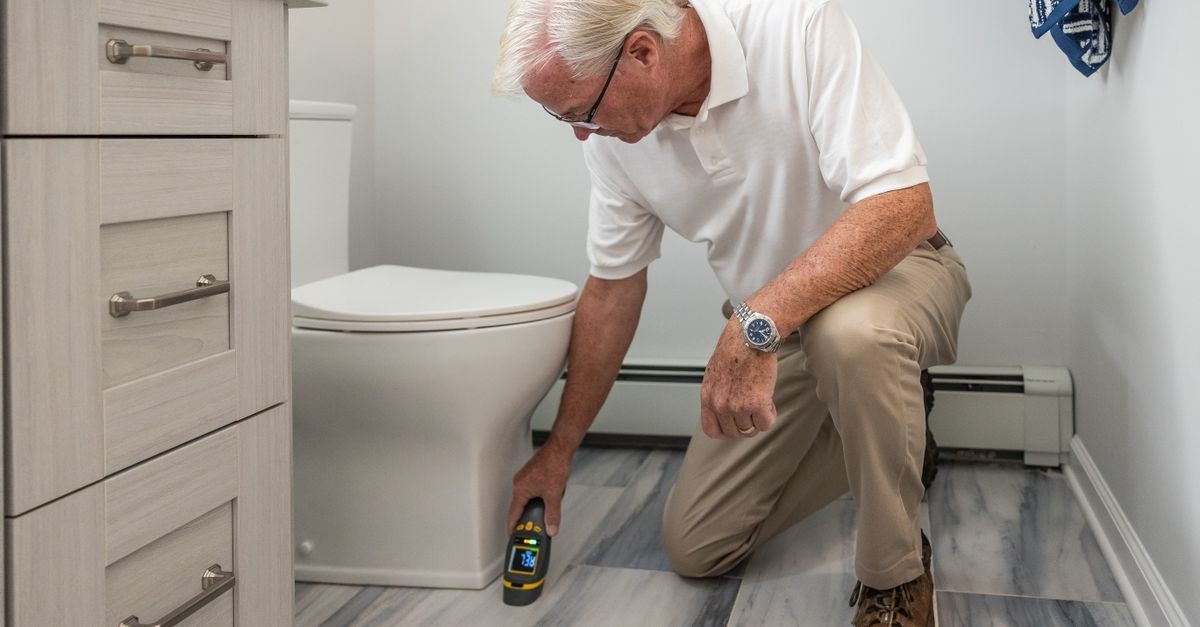
The key question is whether the problem is surface-level or structural. Cracked tiles across a large area, tiles that sound hollow when tapped, or movement underfoot point to issues beneath the surface. For a clear rundown of the warning signs, this guide on when tile floors actually need to be replaced from a tile and stone restoration specialist is worth reading before you commit to tear-out.
4. When Replacement Is the Right Call
Replacement makes sense when the floor is failing, when the layout change leaves areas you can't patch convincingly, or when the existing material simply doesn't work for how you'll use the space. Bathrooms with water damage under the floor, or old tile laid over a subfloor that's flexing, are common examples.
Replacing flooring also opens up the chance to fix things underneath: leveling the subfloor, adding an uncoupling membrane under tile, or addressing moisture. In a bathroom, it may also involve plumbing changes that need a permit. Our post on which remodeling projects require a permit covers when that's likely.
5. How It Changes Your Budget and Timeline
Keeping or restoring the floor usually saves money and time, and it keeps more of the house usable during the project. Replacing it adds demolition, disposal, subfloor prep, and installation, and it often means part of the house is off-limits for longer.
The best approach is to have the floor evaluated before you finalize the design. Knowing early whether the floor can stay lets us plan cabinet layouts, transitions, and the schedule around it rather than finding out mid-project.
Conclusion
Your existing floor might be worth keeping, might only need restoration, or might genuinely need to go. Making that call at the start of a remodel keeps the layout, budget, and schedule on track, and prevents expensive surprises once cabinets and fixtures are in.
If you're planning a kitchen or bathroom remodel in the Prescott or Chino Valley area, M and Team Construction can help you evaluate what you have and build a plan around it.