What is the difference between a general contractor and a handyman?
When you need work done around your home, it is not always obvious whether you should call a handyman or hire a general contractor. Both can help with home improvement projects, but they typically handle very different types of work.
Choosing the right professional can save you time, reduce unnecessary costs and help make sure the project is completed safely and correctly. The best choice usually depends on the size of the job, whether permits are required and how many different trades are involved.
What Does a Handyman Do?
A handyman generally handles smaller repairs, maintenance tasks and minor improvements around the home. These are usually projects that can be completed by one person without major structural changes, extensive planning or the coordination of several subcontractors.
Common handyman services may include:
- Repairing drywall
- Replacing doors or hardware
- Installing shelving
- Fixing minor trim damage
- Painting small areas
- Assembling furniture
- Replacing fixtures
- Handling basic home maintenance
A handyman can be a convenient and cost-effective option when you have a list of smaller tasks that need attention. For example, if you need a door adjusted, a few holes patched and new shelves installed, a handyman may be the right person for the job.
However, the work a handyman can legally perform may be limited by state and local licensing rules. Larger projects, electrical work, plumbing modifications and structural changes often require licensed professionals, permits or inspections.
What Does a General Contractor Do?
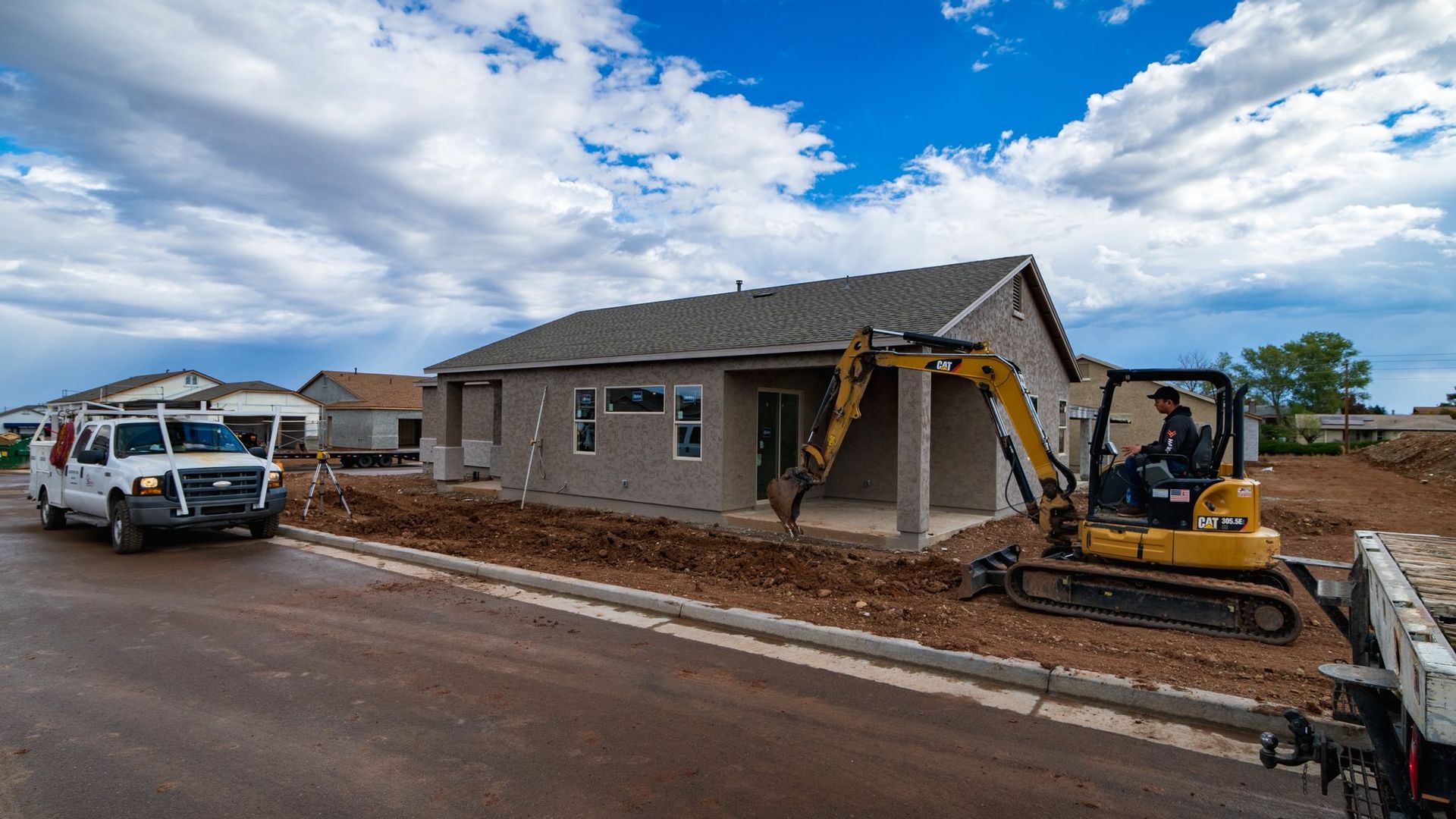
A general contractor manages larger construction and remodeling projects. Instead of simply completing one small task, a general contractor oversees the entire project from planning through completion.
General contractors commonly handle projects such as:
- Full-home renovations
- Kitchen and bathroom remodels
- Home additions
- Garage conversions
- New home construction
- Structural modifications
- Concrete and masonry projects
- Major exterior improvements
A general contractor may perform some of the work directly, but one of their most important responsibilities is coordinating the different professionals needed to complete the job. This can include electricians, plumbers, concrete crews, framers, roofers, painters and other skilled trades.
The contractor also helps manage scheduling, materials, permits, inspections, budgets and communication. This gives the homeowner one primary point of contact rather than requiring them to coordinate every part of the project themselves.
The Main Differences
The biggest difference between a handyman and a general contractor is the size and complexity of the work they are equipped to manage.
A handyman is typically best for minor repairs and straightforward projects. A general contractor is better suited for jobs that involve structural work, multiple trades, permits or a longer construction timeline.
For example, replacing a damaged cabinet door may be a handyman project. Completely remodeling the kitchen, moving plumbing and installing new cabinets would normally require a general contractor.
Similarly, repairing a small section of drywall may be appropriate for a handyman. Removing a wall, changing the layout of the home or building an addition requires much more planning and oversight.
When Are Permits Required?
Many larger construction projects require permits from the local building department. Permits may be necessary when the work affects the structure, electrical system, plumbing, mechanical systems or overall footprint of the home.
A general contractor is familiar with the permitting process and can help determine which approvals are required. They can also coordinate inspections throughout the project and make sure the work meets applicable building codes.
Skipping required permits can create serious problems. It may lead to fines, delays, safety concerns and complications when you eventually sell the property.
Which One Should You Hire?
A handyman may be the right choice when the project is small, does not require specialized licensing and can be completed without major changes to the home.
You should consider hiring a general contractor when:
- The project involves multiple trades
- Structural changes are being made
- Permits or inspections are required
- The project will take several weeks or months
- You need someone to manage materials and scheduling
- The work involves a major investment in your home
When in doubt, it is usually better to speak with a qualified contractor before starting. They can review the scope of the project and help determine what type of professional is needed.
Professional Construction Services in Northern Arizona
M & Team Construction provides professional construction, remodeling, concrete and masonry services for homeowners throughout Northern Arizona. Whether you are planning a renovation, building an addition or improving your property, working with an experienced general contractor helps keep the project organized from beginning to end.
A well-managed project is not only about the finished appearance. It is also about proper planning, reliable communication, quality workmanship and making sure every phase of construction is completed correctly.