Roof Tie-Ins on Home Additions: What Homeowners Should Ask About
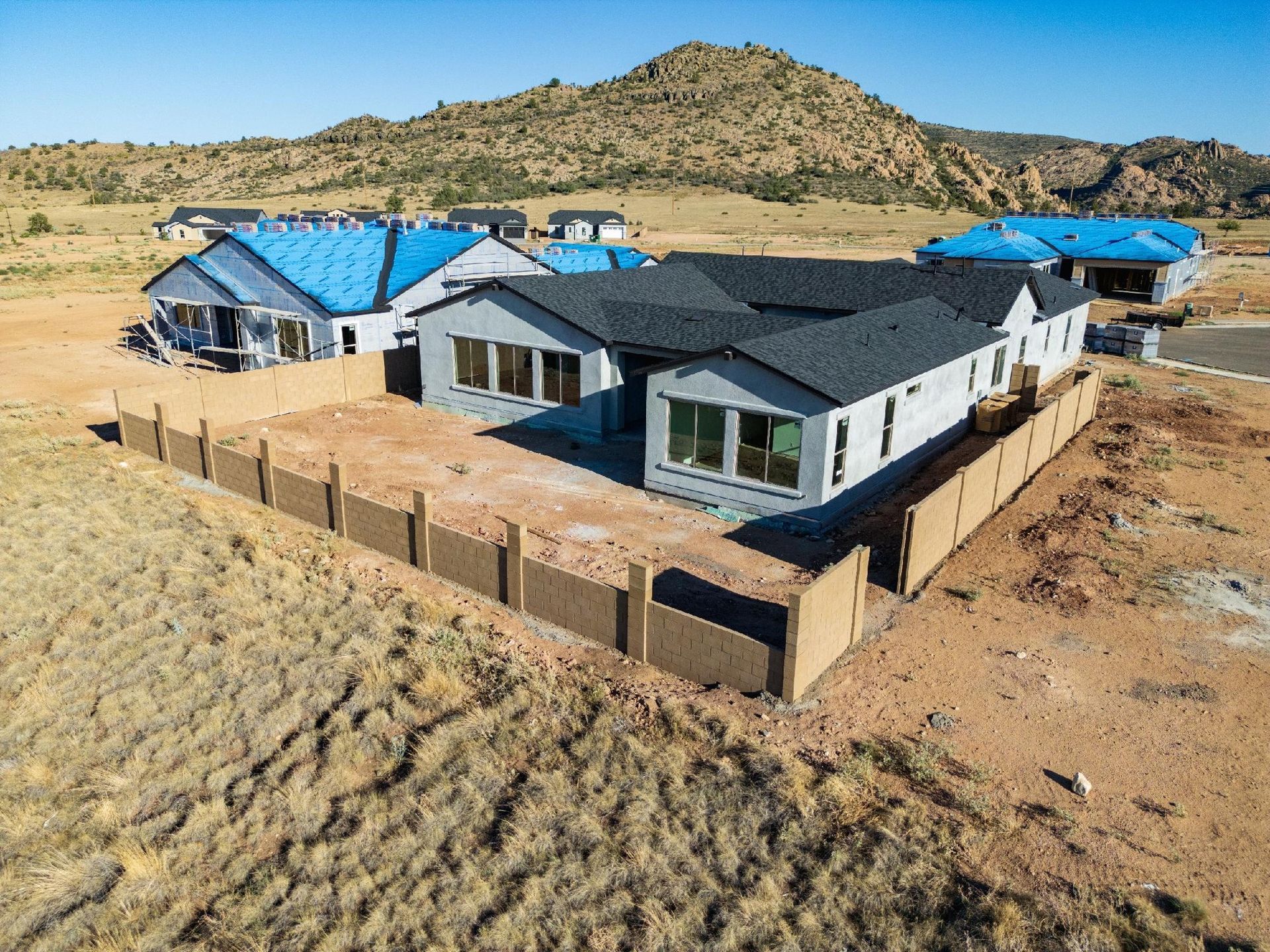
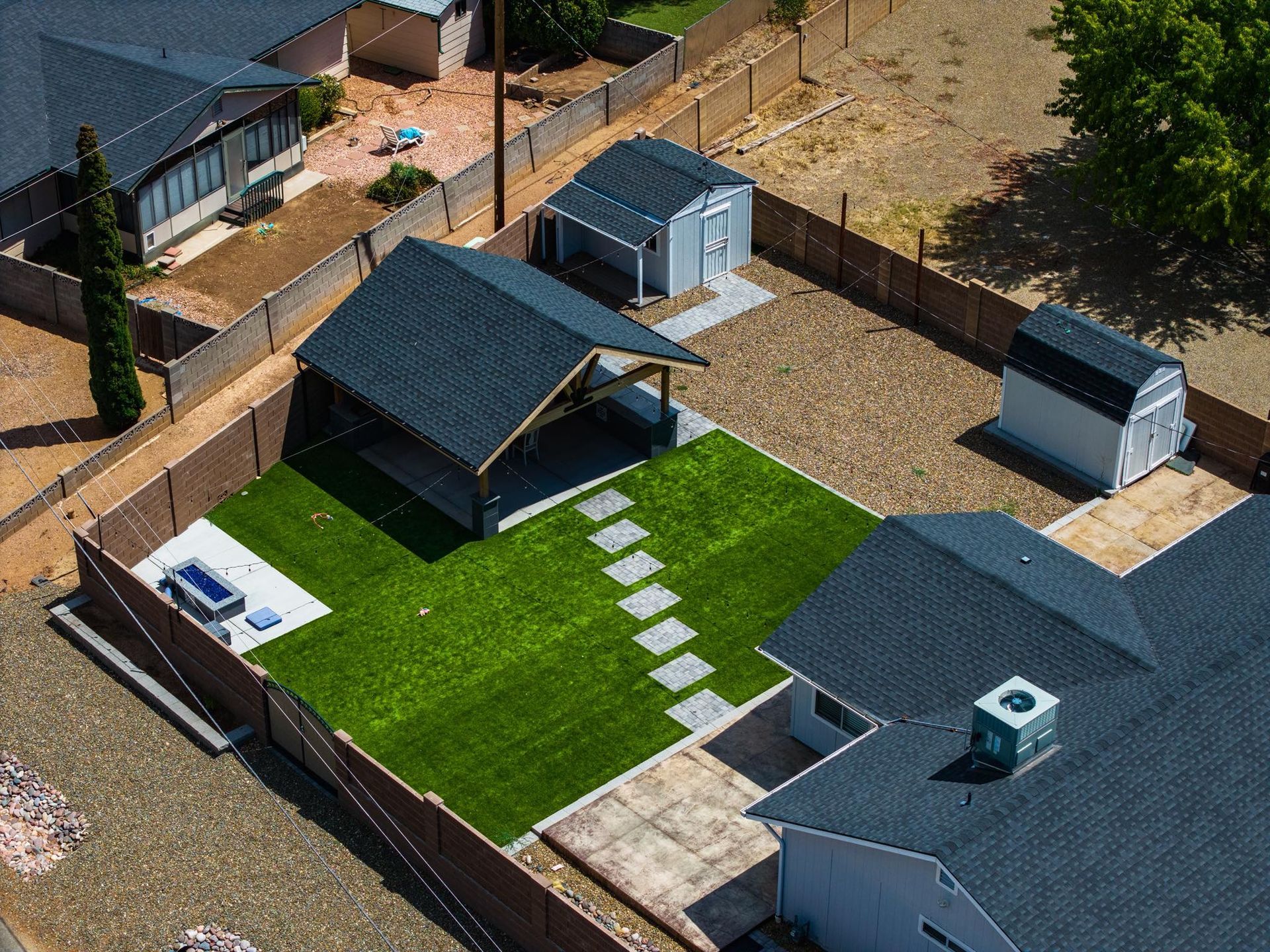
Home additions tend to leak in one place more than any other: where the new roof meets the old one. The framing may be perfect and the siding flawless, but a poorly detailed intersection lets water in. If you're planning an addition in Chino Valley, Prescott or elsewhere in Northern Arizona, here's what to ask about the roof before construction starts.
Decide on the roofline early
An addition can continue the existing roof pitch or use a different one. Matching the pitch is simpler. A lower-slope roof, such as a shed roof on a rear addition, is common and can work well, but roofing manufacturers set minimum slopes for different materials. A low-slope addition often needs a different roofing system than the main house, and your builder should be able to explain how the two will connect.
The details that keep water out
- Step flashing along walls that meet a sloped roof
- Kick-out flashing at the bottom of a roof-to-wall intersection, so water is directed into the gutter instead of behind the siding
- Valley flashing where two roof planes meet
- Sealed penetrations for vents, pipes and skylights
Most leaks trace back to transitions and penetrations, so these are the details to ask about in the plan review.
Plan for snow, not just rain
Parts of Northern Arizona get real winter snow. When a lower roof sits below a higher one, snow can slide down and pile up in the valley or on the lower surface. Your designer and engineer should account for snow load and drifting. You can look up local weather conditions with the National Weather Service in Flagstaff.
Consider replacing the whole roof
If your existing roof is near the end of its life, tying a brand-new roof into it may mean tearing into the new work in a few years when the old roof needs replacing. When the roof is old, replacing both at once often makes more sense: you get one uniform surface and simpler warranties. Have a roofer inspect the existing roof before the addition is designed.
Keep the attic ventilated
An addition can block existing vents or create new attic space that needs its own airflow. The ventilation plan should cover the whole roof, not just the new portion.
Schedule the roofer for dry-in
The roof is one of the first pieces that gets the addition "dried in," meaning the structure is protected from weather. Weather delays here push back everything else. We cover the stages in how long a home addition takes, and our post on whether home remodeling projects require a permit explains what to expect on the permitting side.
Choose the right roofer
Verify any roofing contractor's license with the Arizona Registrar of Contractors. Find a trustworthy roofing contractor that has worked in Northern Arizona to ensure you get a great finished project.
If you're planning an addition in Chino Valley, Prescott or the surrounding area, contact M & Team Construction.