What are the steps to building a house?
AZ Marketing Masters • April 27, 2026
Where Should you Start When Building a House?
1. Planning and Budgeting
Every successful home build starts with a solid plan. This stage includes defining your goals, selecting a general layout, and establishing a realistic budget. You’ll want to consider:
Size and style of the home
- Number of bedrooms and bathrooms
- Must-have features vs. nice-to-have upgrades
- Overall budget, including a contingency fund
Working with a knowledgeable contractor early on can help you avoid costly mistakes and ensure your vision aligns with your budget.
2. Design and Architectural Plans
Once your goals are clear, the next step is turning your ideas into detailed plans. This involves working with a designer or architect to create blueprints that include:
- Floor plans
- Elevations (what the exterior will look like)
- Structural details
- Electrical and plumbing layouts
These plans will serve as the roadmap for your entire project. At this stage, it’s important to finalize as many decisions as possible to avoid changes later, which can slow down the project and increase costs.
3. Permitting and Approvals
Before construction can begin, your plans must be approved by the local municipality. This includes obtaining building permits and ensuring your project complies with zoning laws, building codes, and regulations.
Depending on your location, this process can take anywhere from a few weeks to a few months. An experienced contractor like M and Team Construction can help navigate this step efficiently and ensure everything is submitted correctly.
4. Site Preparation
Once permits are approved, construction officially begins with site preparation. This step includes:
- Clearing the land
- Grading the lot for proper drainage
- Excavating for the foundation
If needed, utilities such as water, sewer, and electrical connections are also planned and brought to the site during this stage.
5. Foundation Work
The foundation is one of the most critical components of your home. It provides structural support and stability. Depending on the design and soil conditions, your home may have:
- A slab foundation
- A crawl space
- A full basement
Concrete is poured, and the foundation is carefully inspected to ensure it meets all safety and structural standards before moving forward.
6. Framing the Structure
Framing is when your house truly starts to take shape. This phase includes building:
- Walls
- Floors
- Roof structure
Once framing is complete, you’ll be able to walk through your home and see the layout come to life. Windows and exterior doors are also installed during this stage, making the structure “dried in” and protected from the elements.
7. Rough-Ins (Plumbing, Electrical, HVAC)
With the structure in place, the next step is installing the major systems that run through your home. This includes:
- Plumbing lines
- Electrical wiring
- Heating and cooling systems (HVAC)
These systems are installed behind the walls and must pass inspections before the next phase begins. This step is crucial to ensure your home is safe, efficient, and up to code.
8. Insulation and Drywall
After the rough-ins are approved, insulation is added to improve energy efficiency and comfort. Then drywall is installed to form the interior walls and ceilings.
Once drywall is in place, the home starts to feel more complete. Walls are taped, textured, and prepared for paint.
9. Interior and Exterior Finishes
This is often the most exciting stage for homeowners because it’s where your personal style comes to life. Finishes include:
- Flooring (tile, wood, carpet, etc.)
- Cabinets and countertops
- Paint and trim
- Fixtures and appliances
- Exterior elements like siding, stucco, or paint
Attention to detail during this phase is key, as these finishes define the look and feel of your home.
10. Final Inspections and Walkthrough
Before you can move in, the home must pass final inspections to ensure everything is built to code. Once approved, you’ll do a final walkthrough with your contractor to identify any last adjustments or touch-ups.
This is your opportunity to make sure everything meets your expectations before closing out the project.
11. Move-In and Enjoy
After all inspections are complete and final approvals are in place, it’s time to move into your new home. While there may be a few minor adjustments after move-in, the major work is complete, and you can start enjoying the space you’ve created.
Build with Confidence
Building a home is a major investment, and having the right team makes all the difference. At M and Team Construction, we guide homeowners through every step of the process—from initial planning to final walkthrough—ensuring a smooth, transparent, and high-quality build.
If you’re considering building a home, reach out to M and Team Construction
today to start turning your vision into reality.
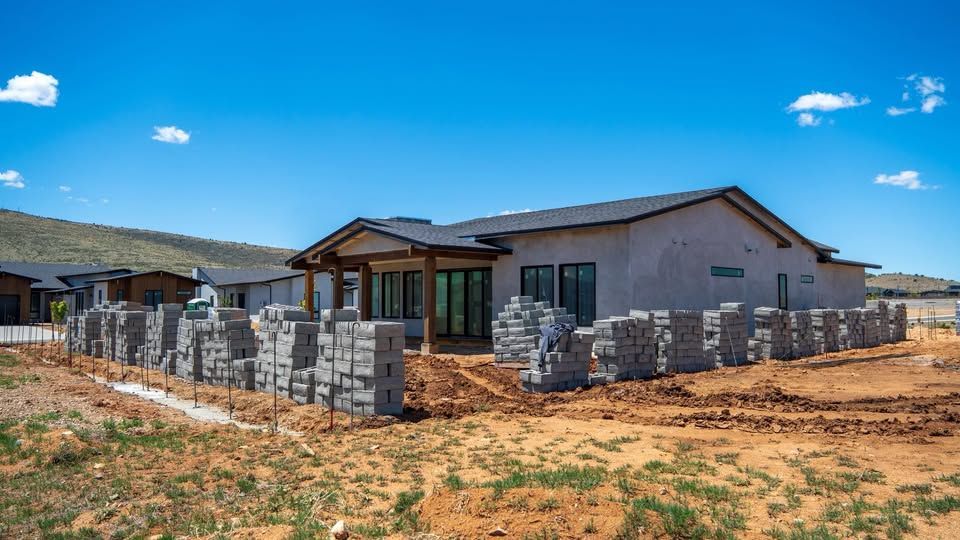
How a home addition connects to the existing roof: pitch, flashing, snow load, ventilation, and when to replace the whole roof instead.

Learn which home remodeling projects may require a permit, what factors affect requirements, and how M & Team Construction can help with permitting.
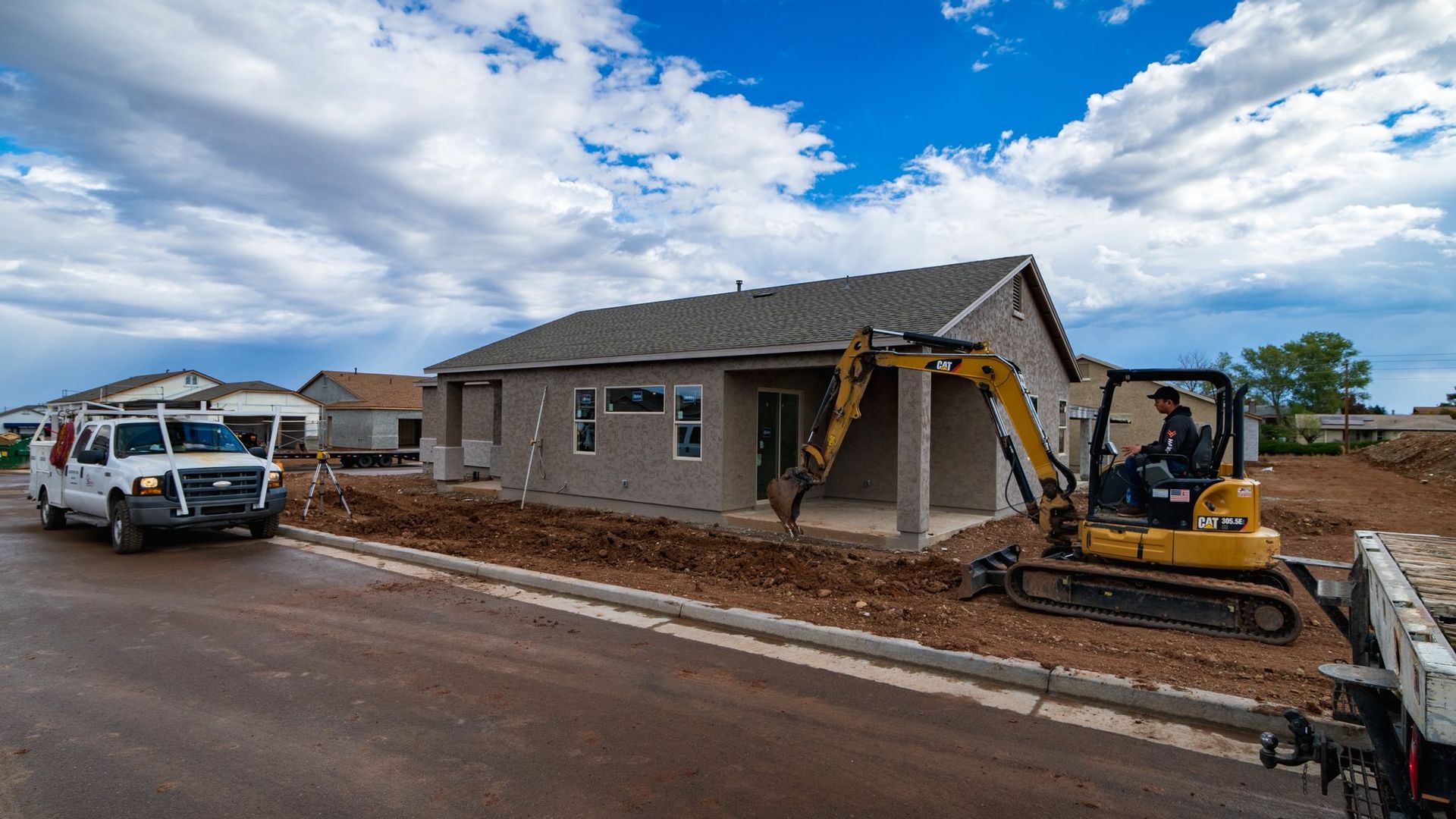
Learn how long a home addition may take in Northern Arizona, including planning, permits, construction stages, weather delays and timeline factors.
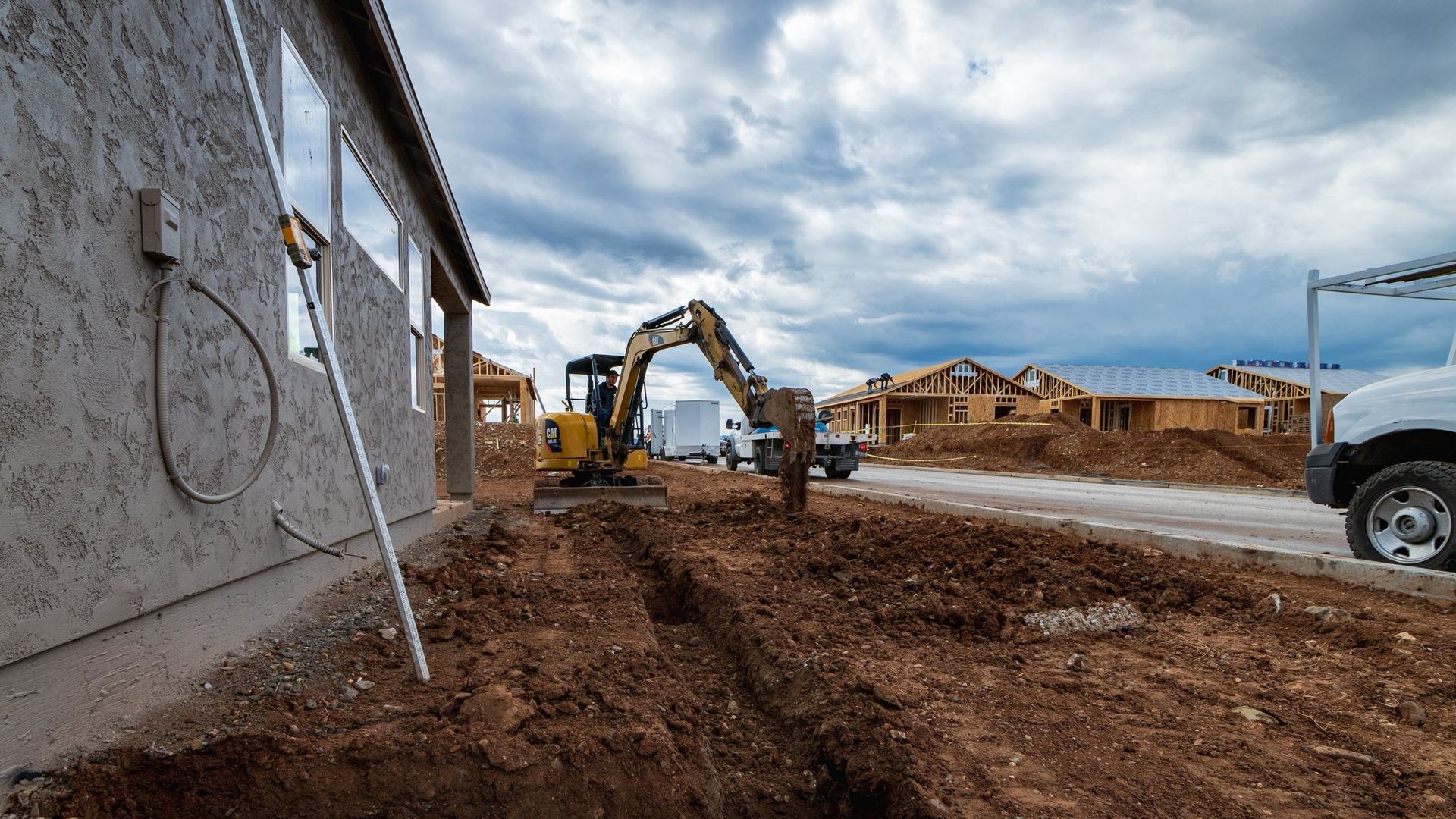
Learn the difference between a general contractor and a handyman, including the types of projects they handle and which professional to hire.
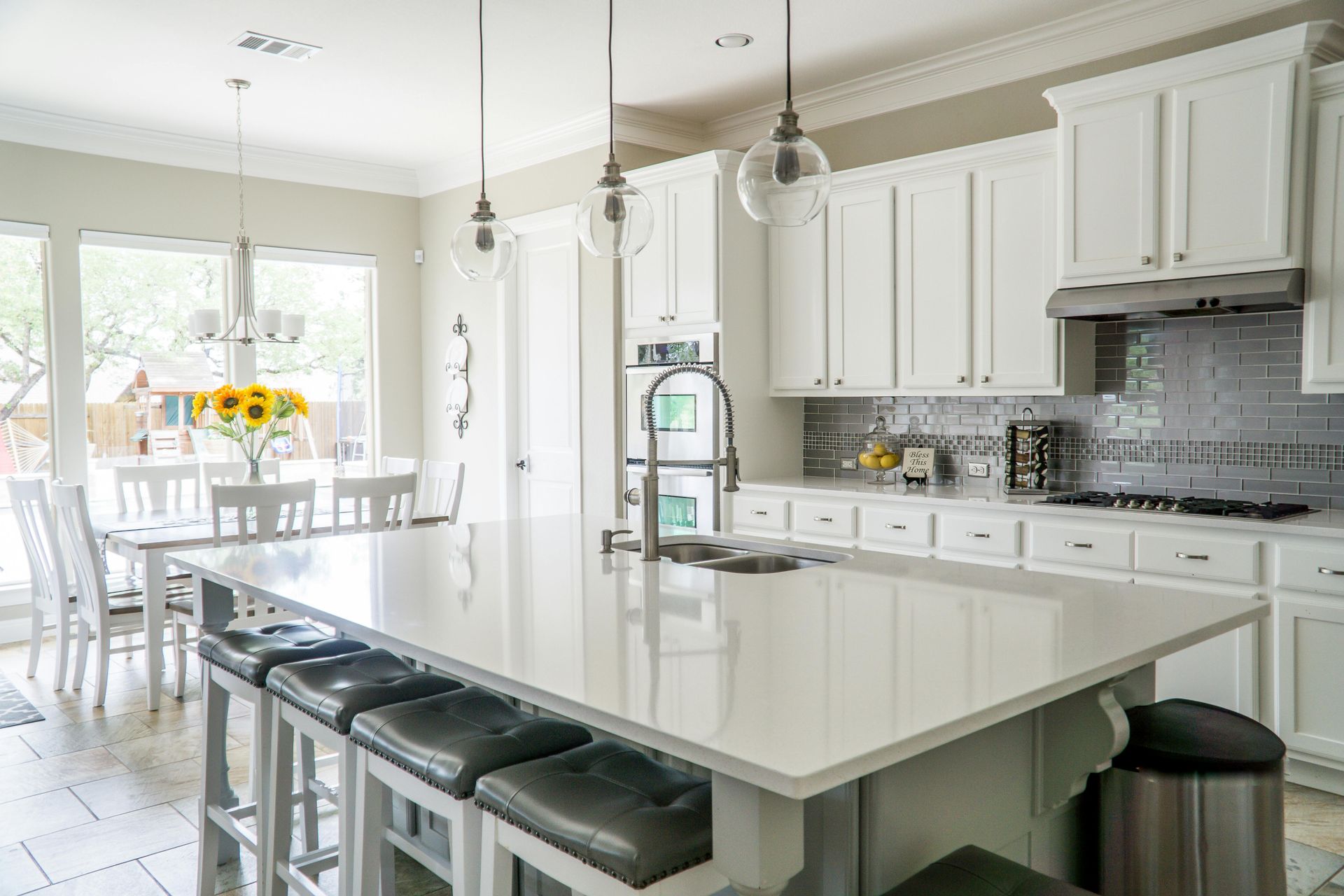
Planning a construction or remodeling project? Learn the essential questions to ask before hiring a contractor to ensure quality work, clear communication, and a successful project.
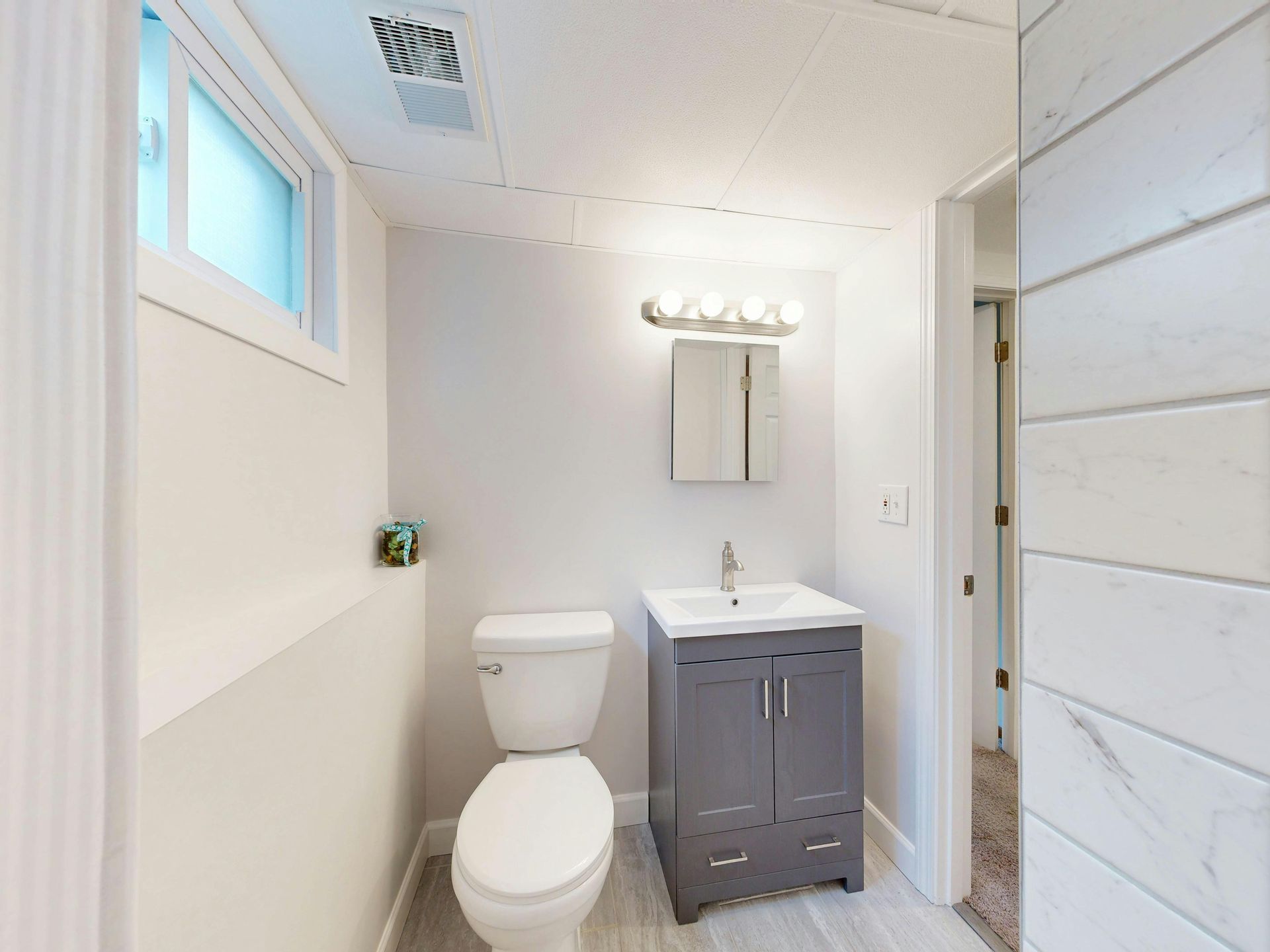
Discover timeless bathroom remodeling features that add beauty, functionality, and value to your home, from walk-in showers and double vanities to quality tile and smart storage.
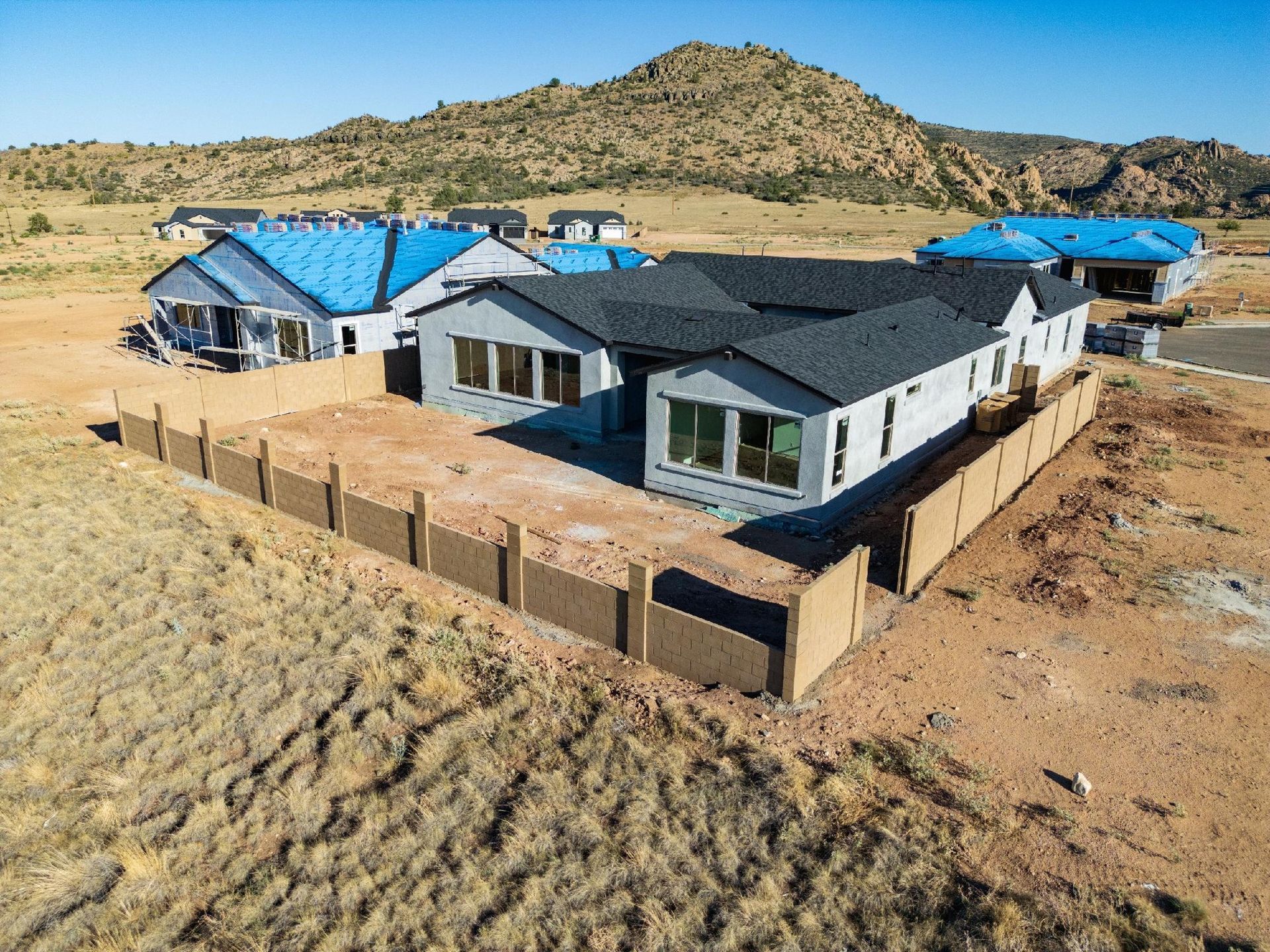
Discover the best wall for backyard privacy. Learn why masonry block walls offer superior sound reduction, durability, and a gap-free design.
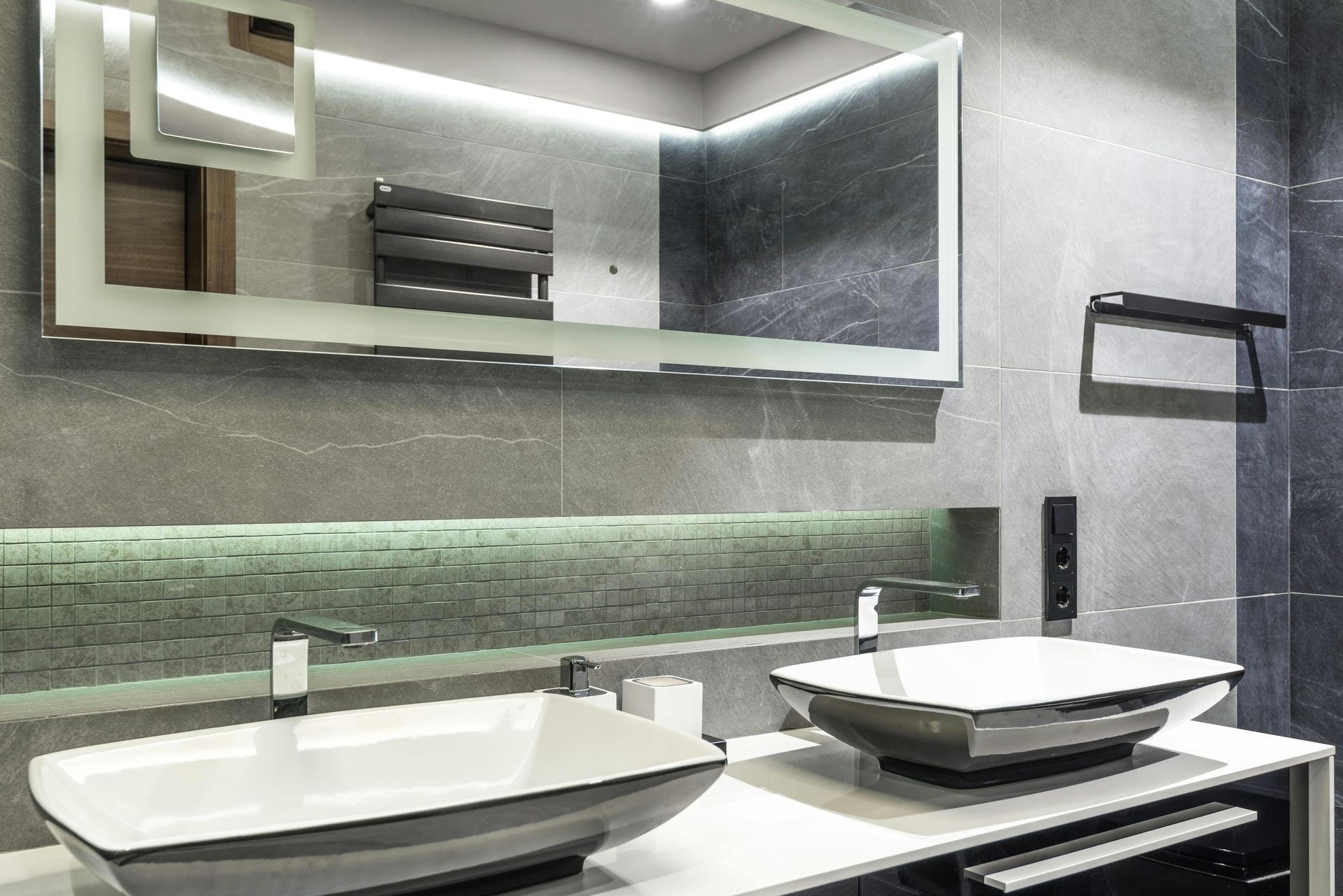
Learn how much value a kitchen or bathroom remodel can add to your home and the ROI of each. Use this knowledge as you decide which home upgrade to invest in.
Learn the benefits and drawbacks of home additions vs ADUs. Explore your options and make an informed decision for your home expansion project in Prescott, AZ.
